
Basics
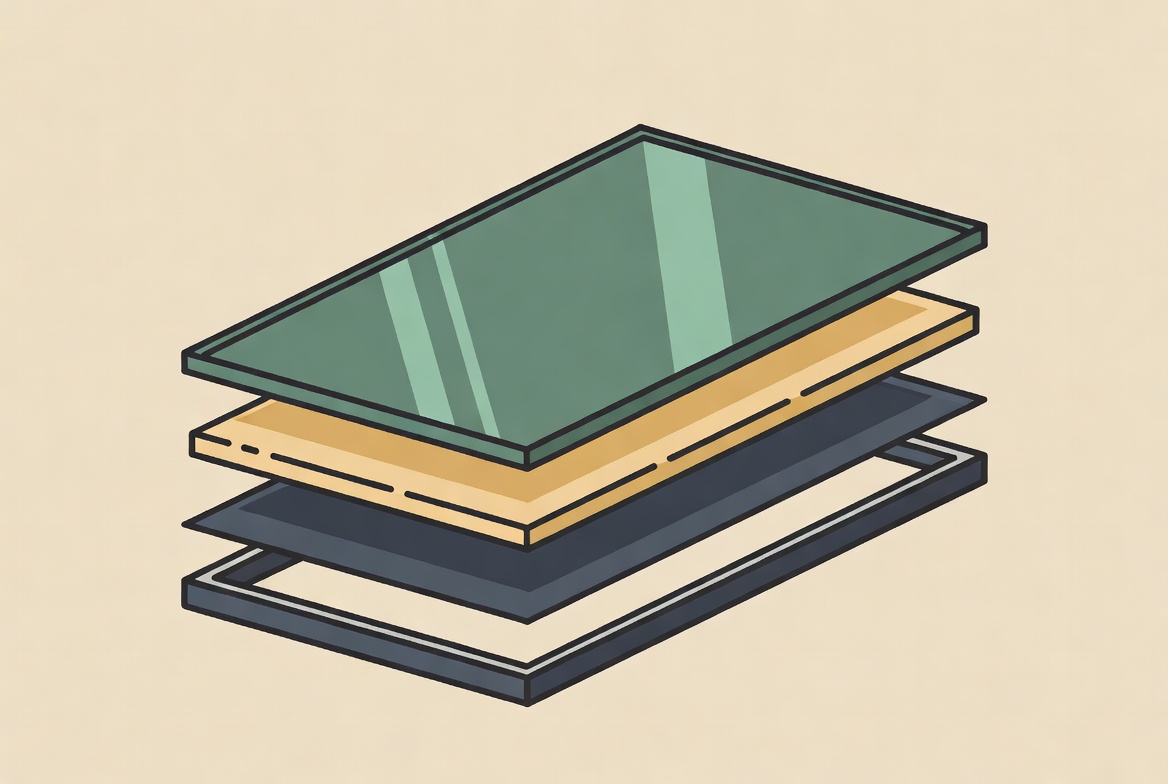
What's inside a solar panel?
Silicon cells, busbars, anti-reflective glass — the five layers that turn photons into power.
Read the guideSolar isn't complicated once you break it down. Start here — we'll walk you through the how, the cost, and the savings.
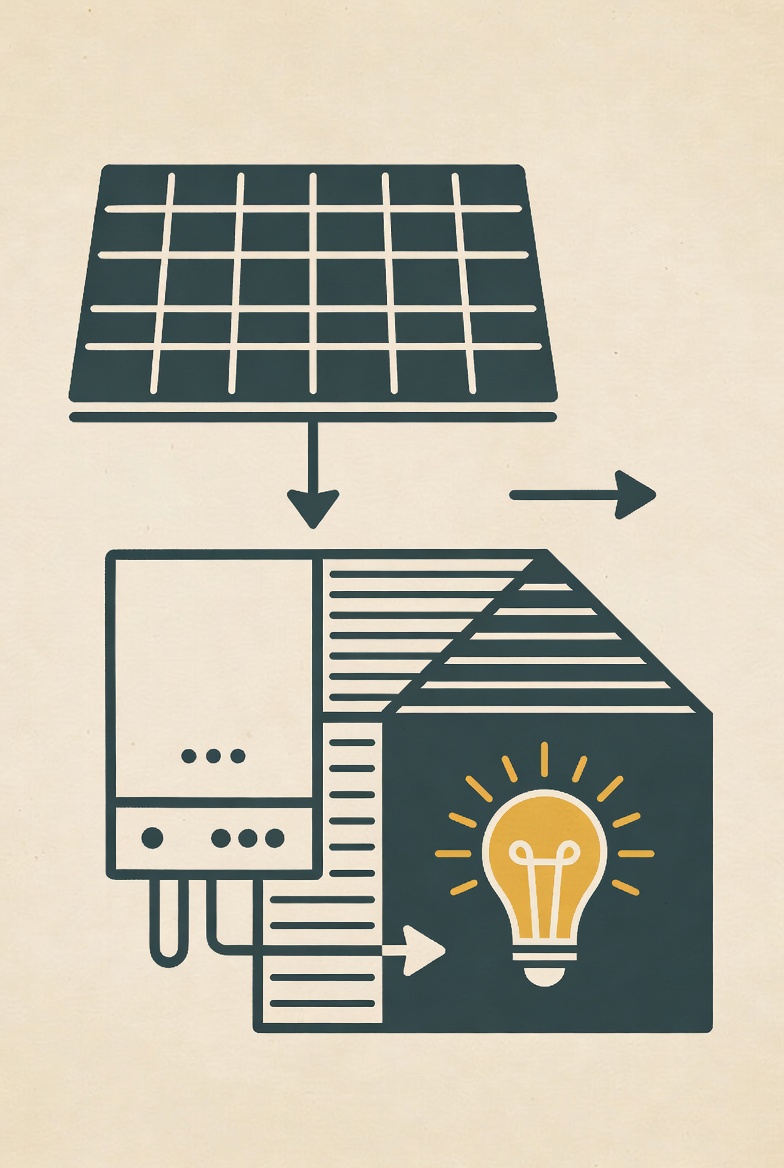
Solar panels convert sunlight into DC electricity. An inverter turns it into AC power your home can use. Anything extra goes back to the grid — and you get credit for it.
Qualified homeowners can finance a full system with no money upfront. The monthly payment often replaces your current power bill.
The Residential Clean Energy Credit returns 30% of your system cost when you file your taxes — on top of any state or utility rebates.
Tier-1 panels come with manufacturer warranties that outlast most roofs. Inverters and workmanship are covered too.
The first full billing cycle after activation typically shows the savings you'll see for the next two decades.
More answers to the questions homeowners ask us most.
Silicon cells, busbars, anti-reflective glass — the five layers that turn photons into power.
Read the guide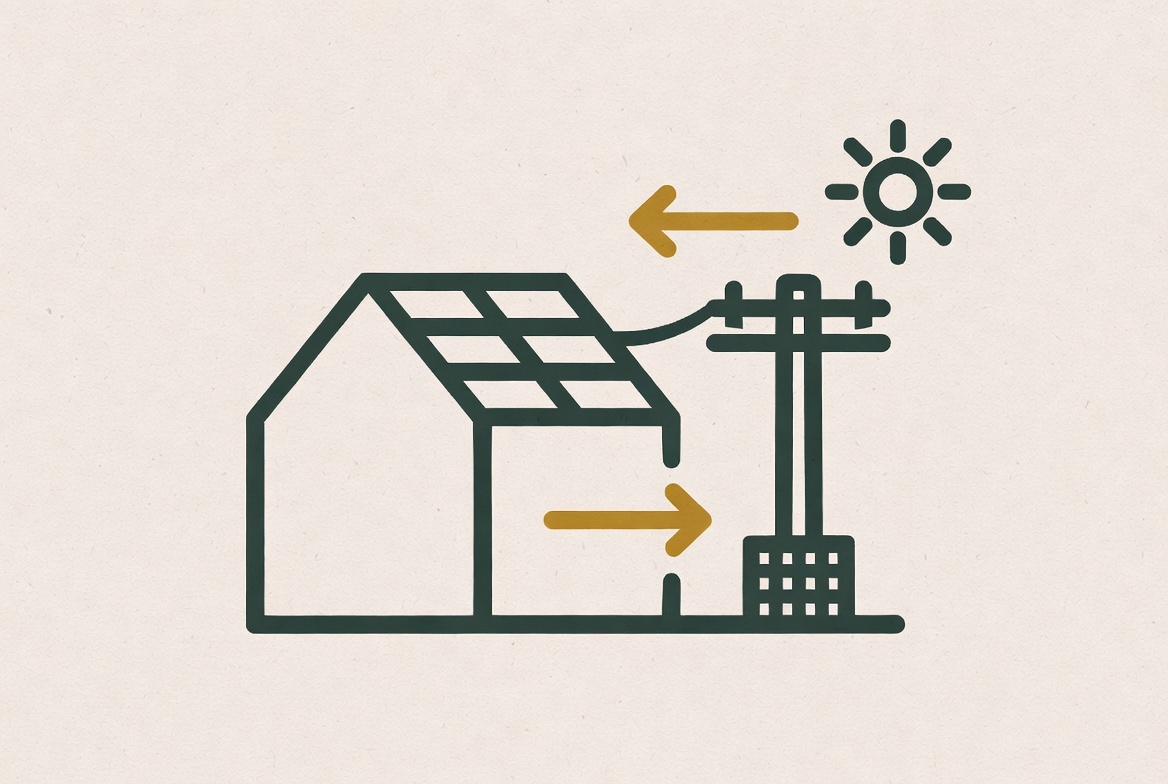
How your utility credits you for the extra power your system sends to the grid.
Read the guide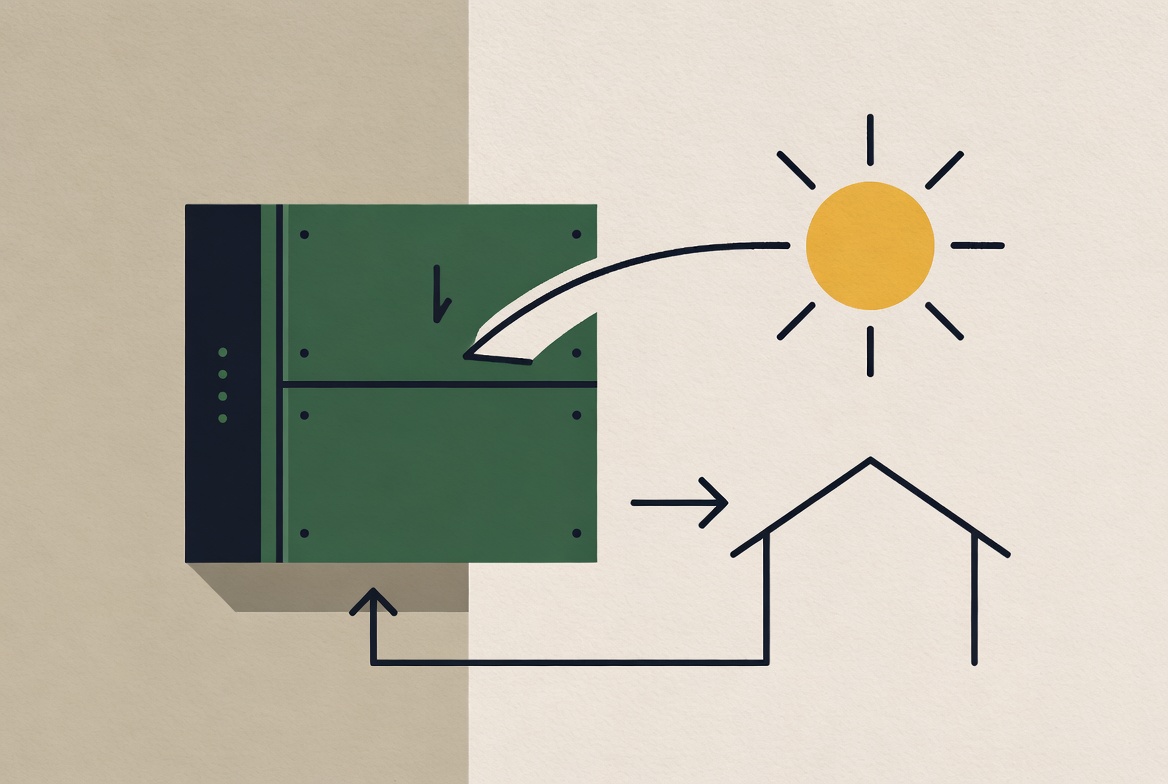
When home battery storage makes sense — and when the payback doesn't justify the cost.
Read the guide